Controlled Canopy Height
Manage the vertical spread of large trees without creating hazardous structural defects.
Managing overgrown, high-hazard canopies with proven crown reduction and professional pruning techniques.
Canopy reduction services across Hoppers Crossing and the Werribee region
Homeowners searching for tree lopping Hoppers Crossing often want to reduce tree height, manage excessive shade, or resolve storm risks. We deliver safe, controlled canopy reduction that achieves your goals without destroying tree health.
Traditional lopping often leads to rapid, weakly attached regrowth that breaks easily under Wyndham's high wind speeds. We use selective reduction pruning that reduces wind resistance while ensuring structural stability.
Manage the vertical spread of large trees without creating hazardous structural defects.
Allow warm sunlight to reach your living areas, lawns, and solar panel arrays.
Prevent the rapid shoot proliferation caused by indiscriminate lopping, reducing long-term pruning cycles.
We assess your overgrown tree to determine the safest method for achieving your clearance or height goals.
We establish reduction points that cut back to viable lateral branches rather than leaving unsightly stubs.
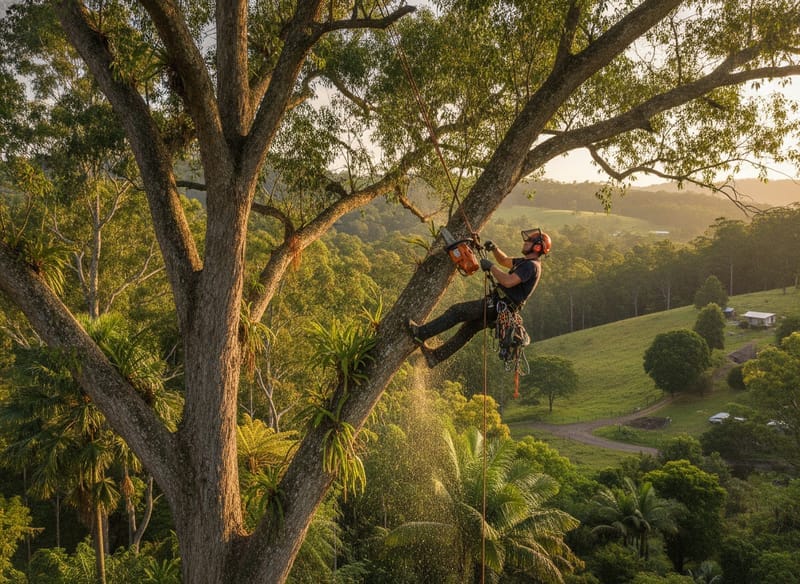
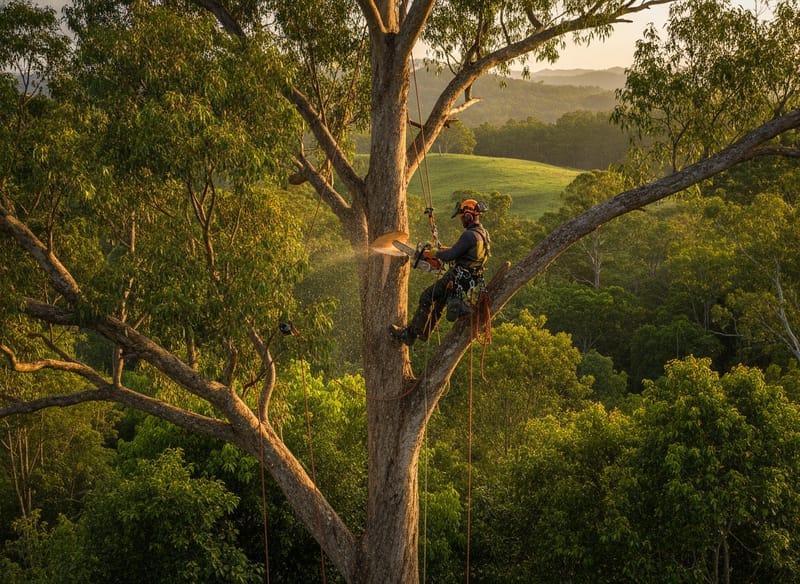
Our climbing arborists systematically lower target limbs to maintain balance and reduce lever-arm stress.
All removed timber and brush are chipped, and the entire work area is raked and cleared.
When it comes to managing overgrown canopies, professional Tree Lopping Hoppers Crossing is an essential service for local homeowners. In our region, fast-growing trees on heavy, reactive clay soils can quickly overwhelm a residential block. When the hot north winds blow ahead of a summer cool change, an oversized, top-heavy canopy becomes a serious hazard to your home and family. We are the dedicated team at Werribee Arborist, and our climbers and ground crews spend every day working in this exact environment. From established 1980s properties in Hoppers Crossing to acreage blocks in Werribee South, property owners often ask us to "lop" a tree to make it smaller or reduce overhanging branches. While true lopping—simply chopping the top off a tree—is an outdated practice, we use modern, structurally sound techniques to reduce your tree's size safely. Our goal is to give you back your yard, let the sunlight in, and ensure your property is safe from sudden summer limb drop without destroying the tree's health.
Property owners often want an oversized tree made smaller to reduce risk, but calling in under-qualified operators or attempting DIY cuts usually creates a much bigger problem. Unskilled tree lopping—often called "topping" or "heading back"—involves indiscriminately hacking off major limbs and leaving large stubs. This approach permanently ruins the tree's structure. The tree goes into shock and responds by pushing out weak, fast-growing epicormic shoots. Within a year, you are left with a dense, ugly canopy that is far more prone to failure in our strong winter westerlies. Furthermore, those large stubs cannot heal properly, accelerating internal decay and shortening the tree's lifespan. The solution is bringing in our qualified arborists. Instead of crude lopping, we perform targeted canopy reduction in strict accordance with AS4373 - Pruning of Amenity Trees. We use proper branch collar cuts and target pruning to reduce the height and spread of your tree safely. We assess the specific species—whether it is an overbearing ornamental pear or a massive spotted gum—and apply the right technique. By doing it properly, our climbers ensure you get the clearance and safety you need, without setting your property up for a major branch failure down the track.
When you request tree lopping, our arborists assess your specific goal—whether it is clearing a roofline, letting light into the yard, or managing a hazard—and apply the appropriate AS4373-compliant method to achieve it safely.
The safest way to achieve what most people mean by "lopping." We selectively prune the outer canopy to reduce the tree's overall height and spread, taking no more than 25–30% of the live crown to maintain structural health.
Removing lower branches to create clearance for pedestrians, driveways, or fences. This eliminates low-hanging hazards without destroying the upper canopy structure or the tree's aesthetic appeal.
Targeting specific, problematic limbs—such as a heavy branch overhanging your roofline or service wires—using proper collar cuts that allow the tree to heal and seal out decay.
Removing secondary branches throughout the canopy to reduce wind resistance and let more sunlight hit your garden, all without altering the tree's natural shape or size.
Applied strictly when a tree has suffered severe storm damage or structural failure. We safely reduce the canopy weight using our elevating work platforms or rope access before arranging final removal if necessary.
When you contact us for Tree Lopping Hoppers Crossing, we follow a strict, professional process to ensure the job is done safely and correctly.
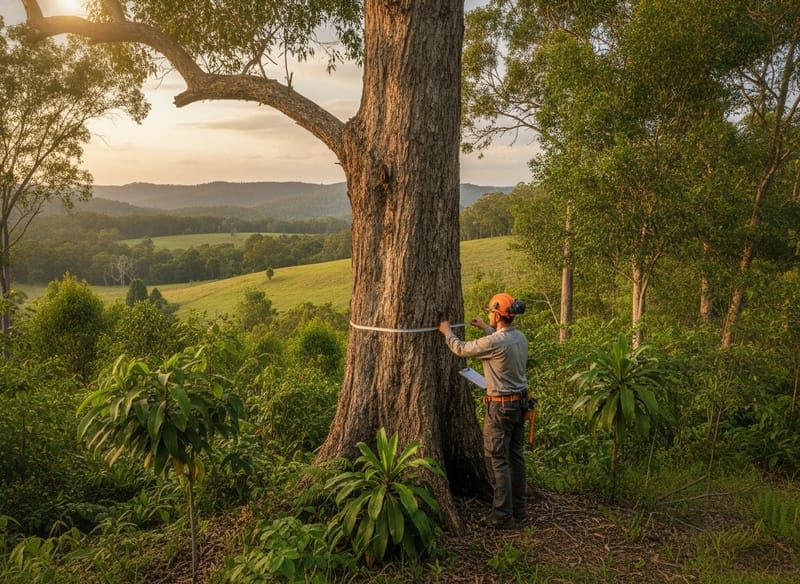
First, our arborists visit your property for a thorough site assessment. We listen to what you want to achieve—whether that is stopping a tree from dropping litter on your roof or shrinking an overgrown canopy. We check the tree's health, species, and location, and determine the best AS4373-compliant method to get the result you need. We then provide a transparent, upfront quote.
On the day of the job, our trucks and experienced climbers arrive fully equipped. Depending on access, we will use our elevated work platforms (cherry pickers) or specialised single-rope access techniques to navigate the canopy. We carefully dismantle the target sections, lowering heavy limbs safely to the ground using rigging gear to protect your home, fences, and landscaping below.
Once the cutting is complete, our ground crews get to work. We process all the removed branches through our high-capacity wood chippers, turning the waste into valuable mulch. We rake up the debris, pack the trucks, and leave your Hoppers Crossing property immaculately clean, with your tree structurally sound and noticeably safer.
Canopy reduction is high-risk work that demands strict safety protocols. Our team operates entirely under AS4373 - Pruning of Amenity Trees, ensuring every cut supports the long-term stability of the tree.
Every member of our climbing crew holds the required AQF Level 3 Certificate in Arboriculture, along with high-risk work licenses for chainsaws, working at heights, and elevated work platforms. Furthermore, we are fully public liability insured and WorkCover compliant, protecting your home and our staff throughout the entire job. When our arborists are on site, you can trust that your property is in completely qualified hands.
Managing trees in this region requires specific local knowledge. The western plains experience low rainfall and heavy, reactive clay soils that shrink during droughts, destabilising root plates. When the hot northerlies hit, heavy canopies on older trees become highly vulnerable to snapping.
Under the Wyndham City Council planning scheme, there is no blanket local law protecting all private trees, meaning standard residential block trees can often be reduced without council approval. However, properties near watercourses—like the Werribee River or Skeleton Creek—are often covered by an Environmental Significance Overlay (ESO). Additionally, native vegetation rules (Clause 52.17) apply to indigenous species like River Red Gums on blocks over 0.4 hectares.
Our team understands these local overlays and title restrictions intimately. We can advise you on whether your overgrown Drooping Sheoak or oversized London plane requires a planning permit before we make any significant cuts, keeping you completely legally compliant.
Proper aftercare is critical once a tree's canopy has been significantly reduced. Because taking away foliage reduces the tree's ability to photosynthesise, we recommend deep-watering the root zone during Hoppers Crossing's dry summer months. Applying a thick layer of mulch over the critical root zone will help retain moisture in our heavy clay soils, but ensure the mulch is pulled back slightly from the trunk to prevent collar rot. Keep an eye on the tree for any sudden bursts of weak epicormic shoots. If you notice rapid, dense regrowth or any signs of fungal decay around the pruning wounds over the next few years, call us back for a follow-up assessment.
The cost of canopy reduction in Hoppers Crossing depends on the tree's size and site access.
We provide honest on-site evaluations with clear, competitive pricing.
We manage overgrown canopies across Hoppers Crossing and neighbouring Wyndham estates.
Speak with our arborists about safe, effective canopy reduction options.
Get a Free Quote