Safe Height Reduction
Lower the profile of oversized trees without creating dangerous rot pockets in the upper canopy.
Professional height reduction, selective canopy control, and sustainable tree management in Little River.
Servicing overgrown rural trees, shelterbelts, and residential blocks in Little River
Many property owners search for tree lopping Little River when their trees have outgrown their space, cast too much shade, or threaten overhead structures. While topping trees creates dangerous, weakly attached regrowth, our qualified arborists provide professional crown reduction and selective branch management that resolves height and clearance problems safely.
In Little River's windy plains, aggressively topped trees produce weakly attached water shoots that snap off easily during spring gales. We ensure any height reduction maintains the aerodynamic balance of the tree.
Lower the profile of oversized trees without creating dangerous rot pockets in the upper canopy.
Avoid the rapid, weakly attached regrowth caused by harsh topping cuts.
Improve the appearance and balance of trees previously damaged by improper lopping.
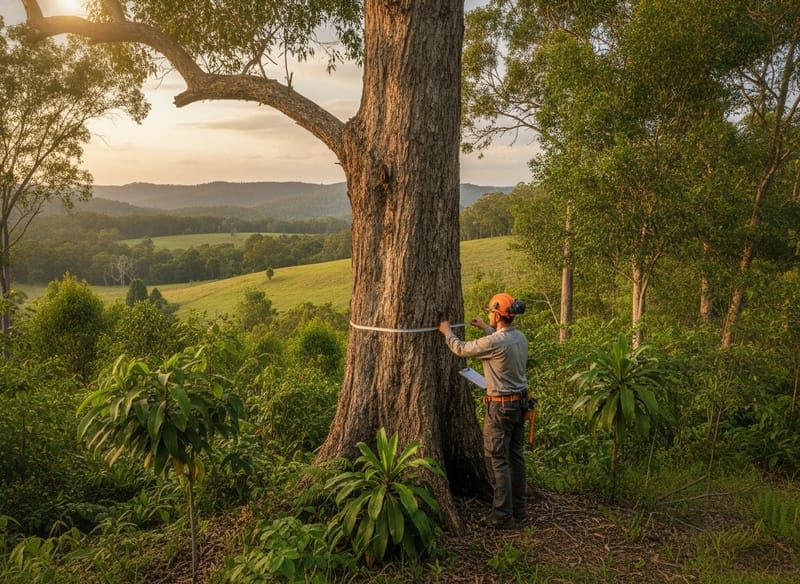
We assess your tree's height, species response, and surrounding hazards to determine the correct reduction method.
We identify specific lateral limbs to cut back to, ensuring healthy sap flow and canopy retention.
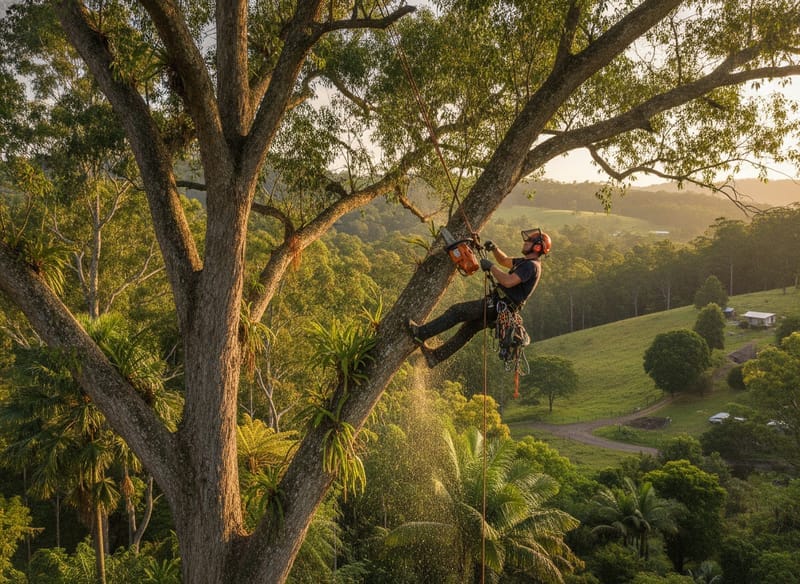
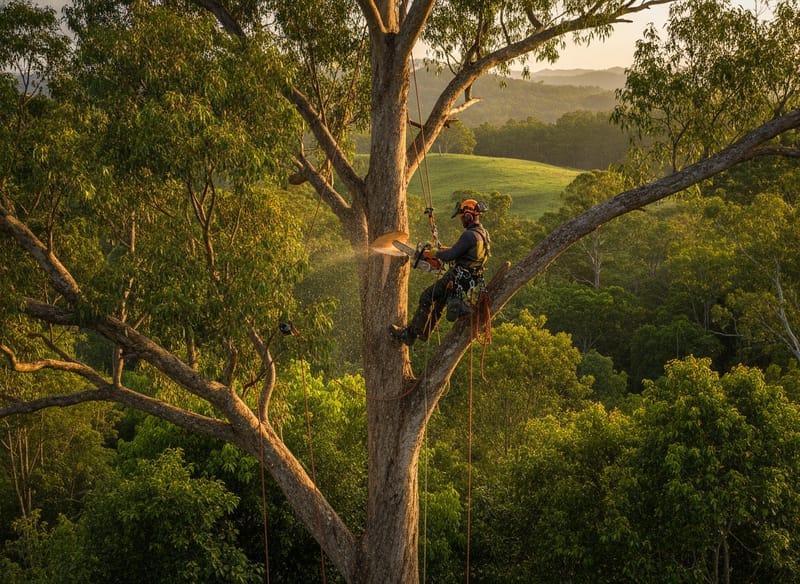
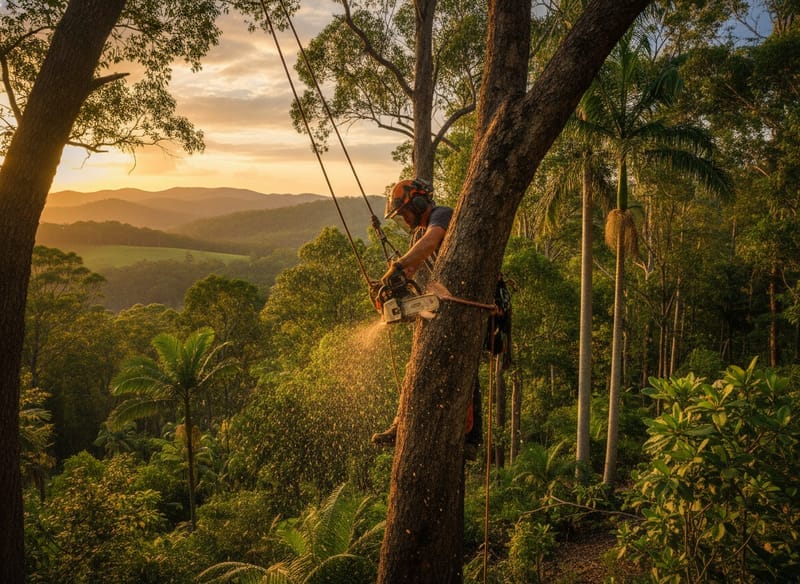
Our qualified climbers carefully dismantle and reduce upper limbs using controlled arborist techniques.
All pruned timber and foliage are put through our chipper, leaving your grounds tidy.
Welcome to Werribee Arborist. If you are looking for safe, professional Tree Lopping Little River residents and acreage owners can rely on, our team is ready to help. We understand that when locals ask for tree lopping, they usually want an overgrown tree reduced in height, cleared from powerlines, or pulled back from a house.
Little River’s unique landscape, characterised by expansive open grasslands, incredibly low rainfall, and heavy reactive clay soils, means that managing tree canopies requires specialised local expertise. Whether you have an encroaching heritage Moreton Bay fig or an overgrown boundary windbreak of Drooping Sheoaks, reducing the size of your trees mitigates the risk of catastrophic storm damage during our brutal summer northerlies.
Our climbers provide tailored canopy reduction that achieves your clearance and aesthetic goals without destroying the health, structure, or longevity of the tree. We bring the right machinery, the best techniques, and a strict commitment to keeping your property safe.
Historically, "lopping" meant indiscriminately hacking branches back to a stub, leaving a bare, unnatural trunk. This outdated practice causes severe, irreversible long-term problems for your trees. Traditional topping leaves massive pruning wounds that the tree simply cannot compartmentalise or heal, which accelerates core timber decay and invites borer infestations. More dangerously, lopping triggers a panic-growth response. The tree rapidly pushes out weak, fast-growing epicormic shoots to replace its lost foliage. These new shoots are poorly attached to the outer bark rather than the solid heartwood, making them highly prone to snapping off during the intense thunderstorm gust fronts common across the Werribee Plains. Our team provides a modern, professional, and sustainable alternative. We are fully qualified arborists who follow strict AS4373 (Pruning of Amenity Trees) guidelines to achieve the size reduction you need without compromising tree stability. Instead of blunt lopping cuts, we use directional target pruning and precise branch collar cuts. If your tree is simply too large for its location, we will guide you through strategic crown reduction or thinning. This professional approach gives you the clearance, sunlight, and safety you originally sought, while ensuring your tree remains a healthy, structural asset rather than an unpredictable growing hazard on your property.
When you ask our team to lop or reduce a tree, we deploy a range of compliant arboricultural techniques to safely make your tree smaller and better suited to your property's footprint.
This is the correct method for decreasing the overall height and spread of a canopy. We prune terminal branches back to a lateral branch large enough to assume the terminal role. This safely reduces the tree's physical size and sail area while preserving a natural, structurally sound shape.
Essential for acreage driveways, pedestrian zones, and service line clearances. We carefully remove the lowest lateral branches to provide clear vertical space under the canopy. We strictly limit lifting to ensure the upper crown remains balanced and the trunk does not suffer from sudden sunscald.
Crucial for reducing wind resistance against Little River's strong westerlies. We selectively remove secondary and tertiary live branches to increase light penetration and airflow through the canopy. This reduces the sail weight and leverage on the trunk without altering the tree's overall dimensions.
Targeted removal of specific overhanging, problematic, or structurally weak limbs. Whether a branch is encroaching on your roofline, rubbing against fences, or threatening neighbouring property boundaries, our climbers access the canopy to remove the specific hazard while leaving the rest of the tree completely intact.
We use rope-access techniques to climb and strip out dead, diseased, or dying wood before it falls onto structures below. This is particularly critical for native species like mature River Red Gums, which are highly susceptible to dropping deadwood and sudden summer limb drop when subjected to prolonged drought stress.
Delivering a reliable Tree Lopping Little River service requires careful planning, deep local knowledge, and precision execution. Our process begins with a comprehensive on-site consultation. We listen carefully to your specific goals—whether it is reducing overall canopy height, clearing an encroaching roofline, or maximising sunlight into your yard—and assess the tree's current health, structural integrity, and species tolerance for pruning.
Next, we provide a transparent, itemised quote. Because local regulations can be complex, our consulting arborists will verify if your property falls near the Little River waterway or within an Environmental Significance Overlay (ESO). We factor in all Wyndham City Council permit requirements before any cutting begins, ensuring your project is legally compliant.
Our process guarantees a seamless experience: - Site assessment and hazard identification - Council overlay checks and compliance - Precision canopy reduction via rope-access - Complete site cleanup and mulching
On the day of the job, our climbers safely access the canopy using modern double-rope access techniques or Elevating Work Platforms (EWPs) for highly accessible acreage sites. We use professional top-handle climbing saws to make clean, precise cuts, systematically reducing the canopy. Finally, we process all green waste through our high-capacity 12-inch wood chippers, packing the mulch into our tipper trucks and ensuring we leave your site absolutely immaculate.
Tree canopy work at heights carries significant inherent risk, which is why our operations rely strictly on qualified AQF Level 3 climbing arborists. We are fully public liability insured and carry comprehensive WorkCover for all our staff, ensuring property owners are completely protected while our heavy trucks and chippers are operating on-site.
Every pruning and reduction job we execute complies fully with AS4373. Furthermore, for acreage properties located on the bushfire-prone open grassland fringes of Little River, our canopy reduction and clearance work helps you maintain your critical Asset Protection Zones in strict alignment with AS3959 requirements, keeping your home compliant and safe during the fire season.
Little River is officially the driest part of southern Victoria, averaging as little as 425mm of rain annually. This incredibly harsh climate, combined with heavy, reactive, and often sodic clay soils, puts immense drought stress on mature trees. Local canopy trees, particularly the remnant River Red Gums along the waterway corridors, are notorious for sudden summer limb drop when severely stressed, making proactive weight management vital.
Understanding Wyndham City Council regulations is equally critical. While there is no blanket local law requiring a permit for removing or pruning planted trees on standard private lots under 0.4 hectares, the rules change for native vegetation under Clause 52.17. Additionally, the Environmental Significance Overlay Schedule 1 (Waterway Corridors) strictly protects vegetation along the Little River and its tributaries. For properties on the open plains, Bushfire Prone Area mapping allows specific clearing under Clause 52.12 exemptions. We navigate these local overlays daily to ensure your tree work is legal.
After our team has successfully reduced your tree's canopy, providing proper aftercare helps it recover quickly from the pruning stress. During Little River's notoriously hot summer months, we highly recommend deep watering the structural root zone. This vital moisture helps the tree compartmentalise its pruning wounds and prevents severe drought shock in the heavy clay subsoil. In the months following the reduction, keep an eye out for rapid, spindly epicormic growth along the main trunk, which can occasionally occur if the tree was previously struggling. We strongly recommend scheduling a follow-up assessment with our arborists every two to three years to monitor regrowth, maintain your essential clearances, and ensure your trees remain safe and structurally sound.
Canopy reduction and tree lopping costs in Little River depend on the scale of height reduction and equipment access.
We provide honest, fixed-scope quotes explaining the exact arboricultural methods we use on your trees.
We provide canopy reduction and structural tree management across Little River and neighbouring districts.
Contact our qualified arborists for safe height reduction and expert tree care.
Get a Free Quote