Stronger Structural Form
Eliminating codominant stems and defective unions strengthens the tree against high winds.
AS4373-compliant canopy maintenance, deadwooding, and weight reduction for long-term tree health.
Servicing residential gardens, heritage plantings, and acreage trees across Little River
Proper tree pruning Little River requires a clear understanding of tree biology, wind forces, and species characteristics. Our qualified arborists carry out correct formative pruning, deadwood removal, and canopy weight reduction to enhance the safety and longevity of your valuable shade trees.
Little River's open topography leaves large eucalypts fully exposed to violent wind changes. Selective canopy pruning reduces wind drag and relieves lever-arm stress on mature limbs rooted in shrink-swell clay.
Eliminating codominant stems and defective unions strengthens the tree against high winds.
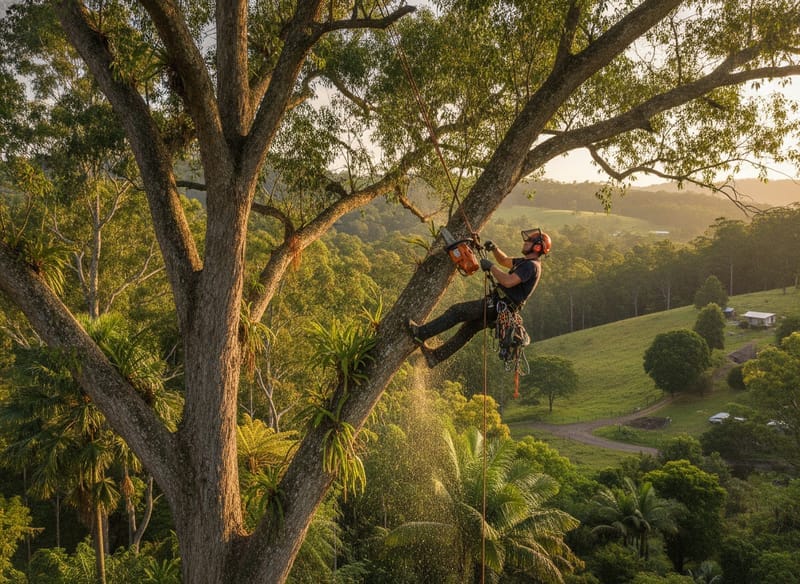
Relieving weight on long horizontal branches reduces summer failures in mature River Red Gums.
Selective crown thinning allows healthy light through to lawns, gardens, and understorey plantings.
We assess the crown structure, identify dead or defective wood, and check union stability.
We establish an AS4373-compliant pruning plan detailing reduction percentages and target branches.
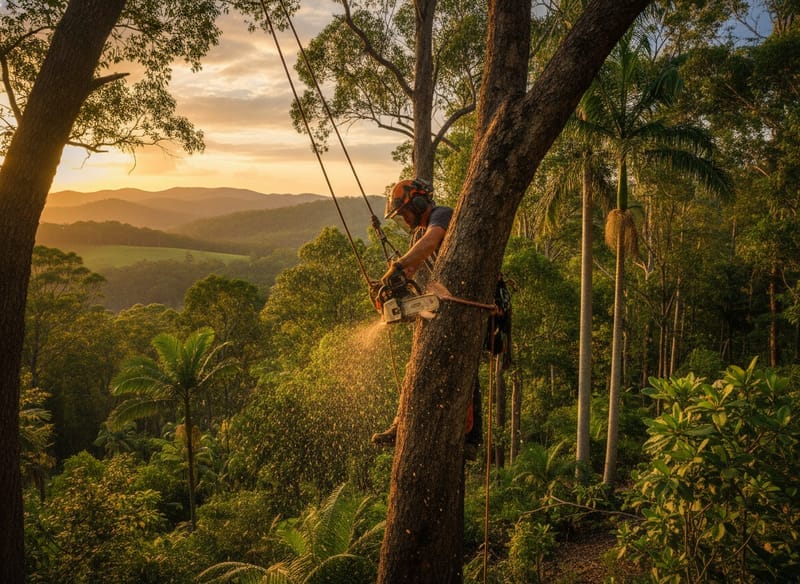
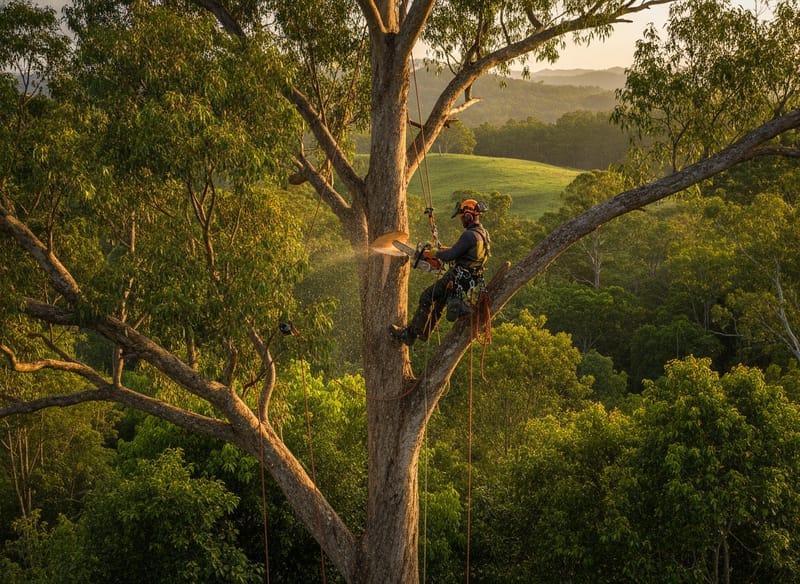
Our arborists use rope access to prune precisely at the branch collar without damaging the trunk.
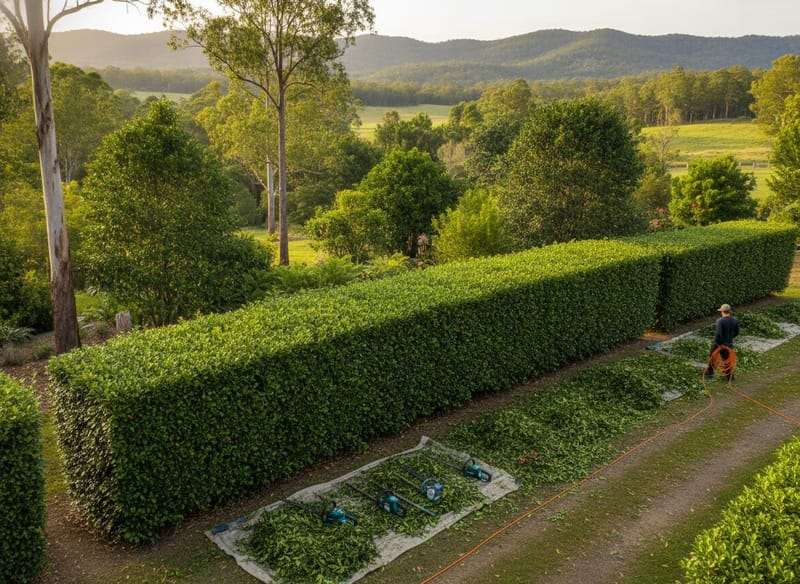
All pruned branches are chipped on site, with the area thoroughly raked and cleared.
Living out on the open basalt plains of the western growth corridor means your trees battle some of Victoria's driest and most extreme conditions. With annual rainfall often sitting around a meager 425mm and fierce summer northerlies sweeping across the grasslands, maintaining tree health is not just about aesthetics—it is about safety. That is why professional Tree Pruning Little River properties depend on is essential for acreage owners, farms, and suburban blocks alike.
Our team at Werribee Arborist understands the unique stresses placed on local canopies. Whether you have established River Red Gums near a waterway dropping limbs in the summer heat, or heritage peppercorn trees needing structural improvement, pruning is all about keeping the tree and improving its resilience. We do not just hack away foliage; we strategically manage wind load, clear service lines, and remove deadwood to protect your property and your family. By focusing on targeted, precise cuts, we help your trees thrive despite the heavy clay soils and demanding environment of the Werribee plains.
A common mistake we see across Little River and the broader Werribee region is well-meaning property owners attempting DIY pruning, or hiring unqualified workers who resort to "lopping" or "topping". Lopping is an outdated and highly damaging practice. It leaves massive wounds and large stubs that the tree cannot heal over, promoting rapid decay and weak, unpredictable epicormic regrowth. When the next heavy thunderstorm or winter westerly wind hits our open plains, those poorly attached new branches are the first to snap and fall on sheds, fences, or homes. The solution is strict adherence to the Australian Standard for Pruning of Amenity Trees (AS4373). As qualified arborists, our team approaches every cut with the tree's long-term structure in mind. We utilise target pruning, making clean cuts precisely at the branch collar so the tree can compartmentalise the wound naturally. By carefully managing how much live canopy we remove—never taking more than 25 to 30 percent in a single prune—we ensure your valuable River Red Gums, spotted gums, and boundary cypresses retain the foliage they need to survive the harsh dry climate and heavy, reactive clay soils of the west. A proper prune not only secures your property against sudden limb drop, but it vastly extends the safe, healthy lifespan of your canopy.
We employ specific, AS4373-compliant pruning techniques to address the exact needs of your trees, ensuring they remain a safe and valuable asset to your property.
We selectively remove small live branches throughout the canopy to reduce wind resistance without ruining the tree's natural shape. This is critical for large eucalypts exposed to strong westerlies, reducing the sail effect and preventing catastrophic limb failure.
Our climbers ascend to safely remove dead, dying, or diseased branches. This prevents unpredictable limb drop over your driveway, roofline, or outdoor living spaces, which is a common issue with aging River Red Gums during summer heat stress.
We carefully remove lower branches to increase the clear space under the canopy. This is highly requested for acreage driveways requiring heavy vehicle clearance, or to improve sightlines and pedestrian access across large frontages.
When a tree has outgrown its space, we selectively shorten branches back to an appropriate lateral branch. This reduces the overall size of the tree safely, avoiding the severe damage caused by lopping while keeping the tree structurally sound.
We shape young trees in their early years to establish a strong structural framework. By promoting a single dominant leader and well-spaced scaffold branches, we prevent costly structural issues when the tree matures in heavy clay soils.
We execute highly specific pruning to clear branches away from powerlines, rooflines, and boundary fences. Every cut is made at the branch collar using top-handle chainsaws or silky hand saws for maximum precision.
We have refined our workflow to ensure minimal disruption to your acreage or residential block. It starts with a comprehensive on-site assessment. Our team will visit your property to evaluate the health of your trees, identify structural defects, and determine the precise AS4373 pruning methods required. We will discuss your goals—whether it is hazard reduction, boundary clearance, or improving canopy health—and provide a clear, transparent quote.
Once approved, our crew arrives with the right equipment for your specific terrain. For open acreage, we deploy our elevating work platforms (EWPs) to safely reach high canopies, while tight suburban side-access or steep escarpment blocks near the river may require our advanced rope-access climbers. We strategically prune the canopy using top-handle saws, carefully rigging and lowering heavy limbs with ropes and pulleys to protect the ground, fences, and landscaping below.
Finally, we process the removed branches through our industrial wood chippers. We can either leave the high-quality mulch for your garden beds to help retain moisture in our dry local soils, or we can load it into our tipper trucks and haul it completely away. We rake and blow down the entire site, leaving your property immaculate and your trees structurally improved.
When you bring our climbers onto your property, you are securing a team backed by full public liability insurance and comprehensive WorkCover for all staff. We never compromise on safety or standards. All of our hands-on pruning work is executed by AQF Level 3 certified arborists, operating strictly in accordance with AS4373 (Pruning of Amenity Trees).
If your site requires formal documentation, our AQF Level 5 consulting arborists can provide the necessary tree health and risk assessments required by council. From rope-access climbing techniques to elevated work platforms, we utilise properly inspected safety gear to ensure the absolute protection of your home and landscape.
Delivering expert Tree Pruning Little River wide requires deep local knowledge of both the climate and the regulatory landscape. The topography here transitions from the open grasslands toward the You Yangs down to the vital waterway corridors. If your property borders the river itself, it likely falls under the Environmental Significance Overlay (ESO) Schedule 1, which strictly regulates the removal or lopping of vegetation near waterways to protect the local ecosystem.
Furthermore, larger acreage blocks often deal with Clause 52.17 native vegetation controls under the Wyndham Planning Scheme. While routine pruning for safety, or clearing branches within 10 metres of an existing dwelling for bushfire defense under Clause 52.12, is generally permitted, major canopy reduction on remnant indigenous species like Drooping Sheoak or mature River Red Gums must be handled carefully. Our team knows these council regulations intimately. We work with the heavy, reactive clay soils and the dry 425mm annual rainfall to ensure our pruning helps your trees withstand fierce northerly winds without ever triggering planning breaches.
After our team completes the pruning, your tree will begin its natural compartmentalisation process to seal the pruning cuts. Because our region is exceptionally dry, we highly recommend deep watering the root zone during the peak of summer, ensuring the heavy clay soil stays hydrated to prevent root plate shrinkage. Avoid applying any pruning paints or sealants to the cuts, as these trap moisture and encourage fungal decay. Simply let the tree heal naturally. We recommend scheduling a follow-up canopy assessment every two to three years, or calling us back if you notice sudden dieback or fresh wind damage after a fierce summer storm.
Pruning costs in Little River depend on the tree's height, density, access conditions, and the extent of canopy work required.
We offer upfront, itemised quotes based on genuine arboricultural standards, with no hidden charges.
Our qualified pruning team services properties across Little River and surrounding Wyndham areas.
Protect your trees and property with qualified AS4373 canopy pruning and deadwooding.
Get a Free Quote